
Common IT Misconceptions and How to Address Them


Understanding IT Misconceptions
In a rapidly evolving tech landscape, misconceptions about IT can lead to misguided decisions and inefficiencies. It's crucial to debunk these myths to harness the true power of technology. Here, we explore common IT misconceptions and provide guidance on how to address them effectively.

IT is Only About Fixing Computers
One of the most prevalent misconceptions is that IT professionals are solely responsible for fixing computers. While troubleshooting is a part of their job, IT encompasses much more. IT professionals manage networks, develop software, and ensure cybersecurity.
To address this misconception, businesses should educate their teams about the diverse roles within IT. Encourage employees to engage with IT professionals to understand their broader responsibilities, which include strategy development and implementing innovative solutions.
Cybersecurity is Not a Priority
Some businesses underestimate the importance of cybersecurity, thinking that only large corporations are targeted by cyber threats. In reality, businesses of all sizes are vulnerable to attacks, making cybersecurity a critical concern.
Companies should invest in robust cybersecurity measures and conduct regular training sessions for employees. Implementing strong passwords, using updated software, and being cautious of phishing scams are essential practices.

Cloud Computing is Insecure
There's a belief that storing data in the cloud is less secure than keeping it on-premises. However, cloud service providers often implement stronger security measures than many companies can afford in-house.
To counter this misconception, businesses should research and choose reputable cloud providers that offer comprehensive security features. Understanding the shared responsibility model and regularly reviewing security protocols can enhance cloud security.
IT Solutions are One-Size-Fits-All
Another common myth is that IT solutions are universally applicable. However, each business has unique needs and challenges that require tailored solutions.
Engage with IT consultants to assess your specific requirements and develop customized solutions that align with your business goals. Personalizing IT strategies can lead to more effective results and improved performance.
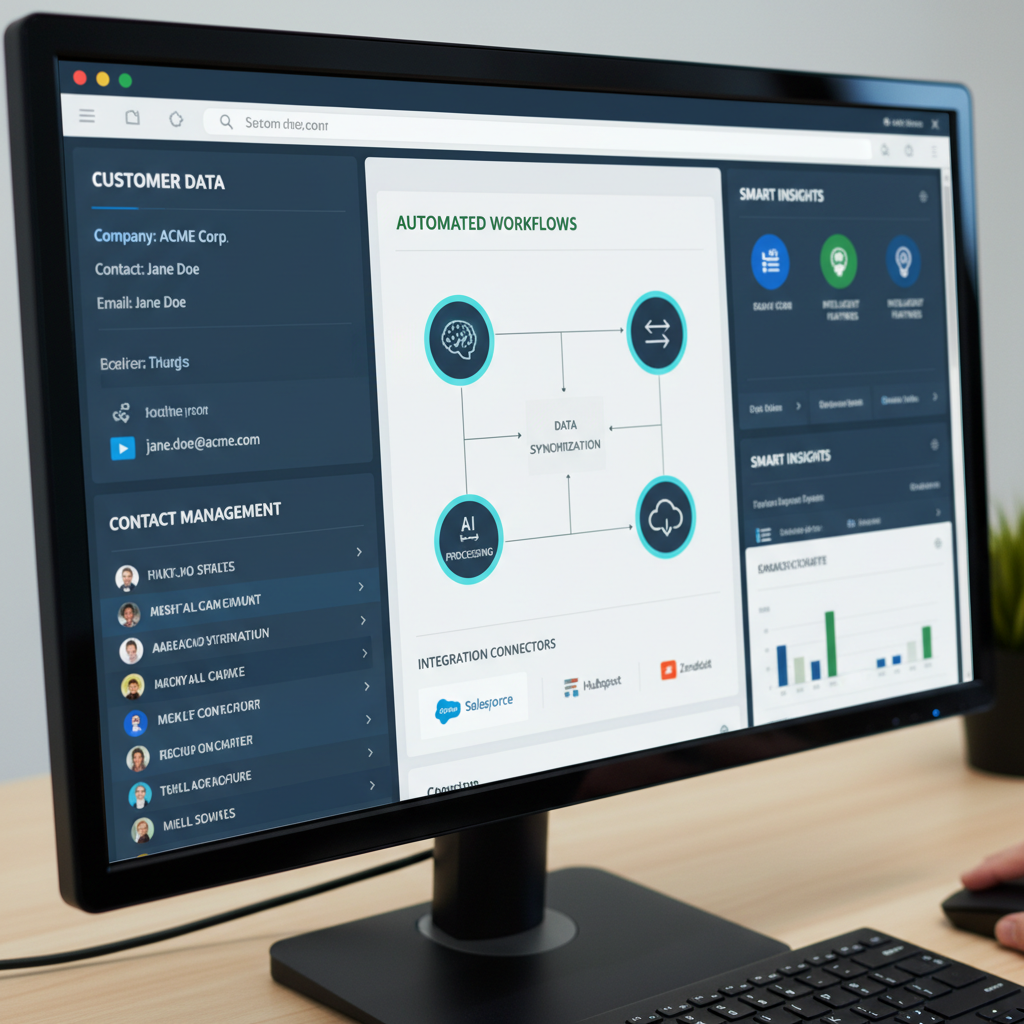
Automation Will Replace Human Jobs
Many fear that automation and AI will lead to job losses. However, these technologies are designed to enhance human capabilities, not replace them. Automation can handle repetitive tasks, freeing up employees to focus on more strategic, creative work.
Businesses should view automation as an opportunity to upskill their workforce. Providing training and development opportunities can help employees adapt and thrive in an automated environment.
Conclusion
Addressing IT misconceptions is vital for leveraging technology effectively. By fostering a better understanding of IT roles, prioritizing cybersecurity, embracing cloud solutions, customizing IT strategies, and viewing automation as a tool for enhancement, businesses can drive innovation and success.