
Cybersecurity Best Practices for Businesses in the Midwest


Understanding the Cybersecurity Landscape
Businesses in the Midwest, like those elsewhere, are increasingly at risk from cyber threats. Understanding the cybersecurity landscape is crucial for safeguarding sensitive data and maintaining trust. In this digital age, small and medium-sized businesses are particularly vulnerable, often lacking the resources to implement comprehensive security measures.

Cybercriminals are becoming more sophisticated, targeting businesses with phishing scams, ransomware attacks, and data breaches. The consequences of these attacks can be devastating, leading to significant financial losses and reputational damage. Therefore, it's essential for businesses to adopt robust cybersecurity practices.
Implementing Strong Password Policies
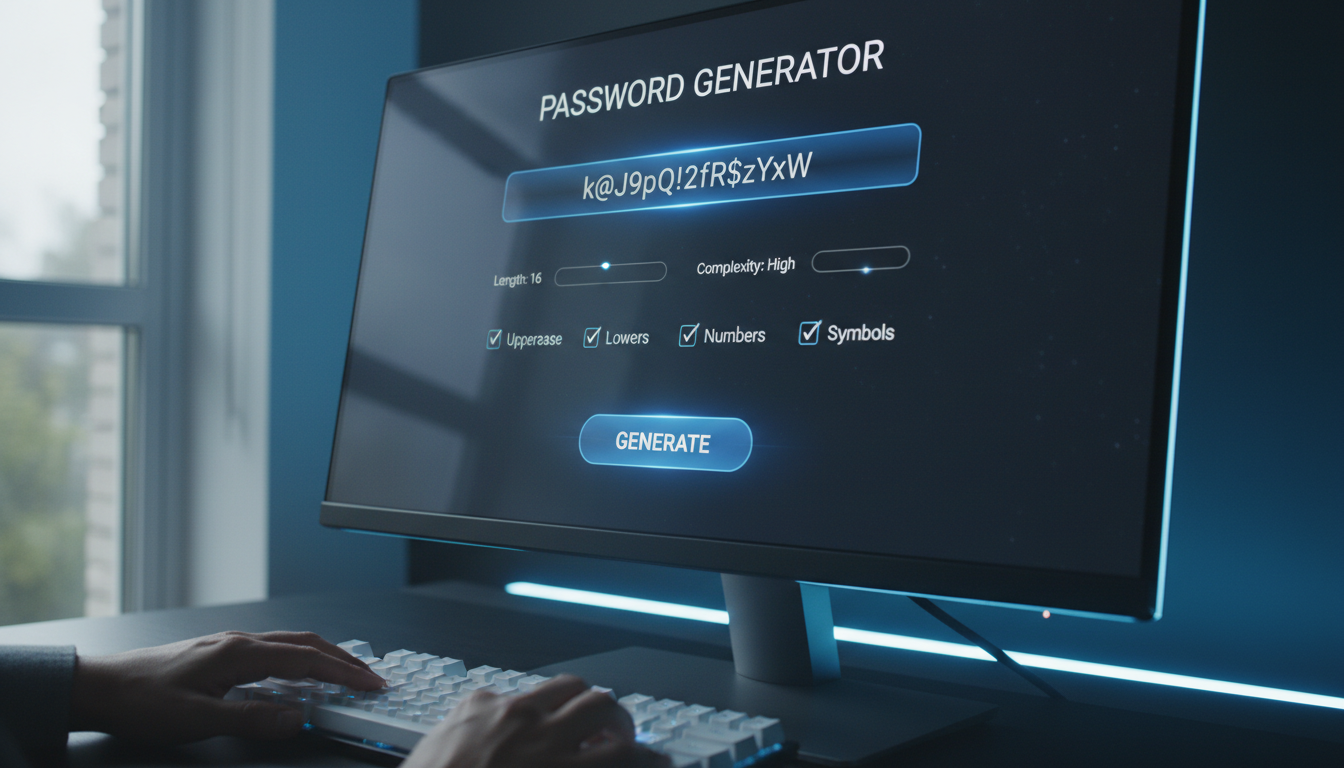
A strong password policy is the first line of defense against cyber attacks. Encourage employees to create complex passwords using a combination of letters, numbers, and symbols. It's also advisable to mandate regular password changes to enhance security.
Consider implementing multi-factor authentication (MFA) to add an extra layer of security. This requires users to verify their identity through a secondary method, such as a text message or authentication app, making it harder for unauthorized users to gain access.
Regular Software Updates and Patching
Keeping software up to date is vital in protecting against vulnerabilities that cybercriminals can exploit. Regular updates and patching ensure that security flaws are addressed promptly. This applies not only to operating systems but also to applications and plugins.
Automating updates can save time and ensure that systems are always protected. Businesses should implement a policy that ensures software updates are applied without delay to minimize risks.
Employee Training and Awareness
Human error is a leading cause of cybersecurity breaches. Training employees to recognize phishing emails and suspicious activities can significantly reduce risks. Regular workshops and training sessions should be part of the company culture, instilling a sense of shared responsibility for cybersecurity.

Additionally, creating a clear incident response plan helps employees know how to react in the event of a security breach. This ensures that the situation is handled quickly and effectively, minimizing potential damage.
Data Backup and Recovery
Regular data backups are essential for recovering from a cyber attack. Implementing a robust backup strategy ensures that critical business data can be restored in the event of a loss. Consider using both on-site and cloud-based backup solutions for increased redundancy.
Periodic testing of backup and recovery procedures ensures that data can be retrieved seamlessly when needed. This proactive approach can save businesses from catastrophic data loss and downtime.

Conclusion
By adopting these cybersecurity best practices, businesses in the Midwest can significantly reduce their vulnerability to cyber threats. A proactive approach to cybersecurity not only protects valuable data but also builds trust with customers and partners. Staying informed and vigilant is key to navigating the ever-evolving cyber landscape.