
Cybersecurity Essentials: Protecting Your Business from Emerging Threats


Understanding the Importance of Cybersecurity
In today's digital landscape, businesses face an increasing number of cybersecurity threats. From data breaches to ransomware attacks, the risks are ever-evolving. Protecting your business requires a proactive approach to cybersecurity, ensuring that your sensitive information remains secure.
Identifying Emerging Threats
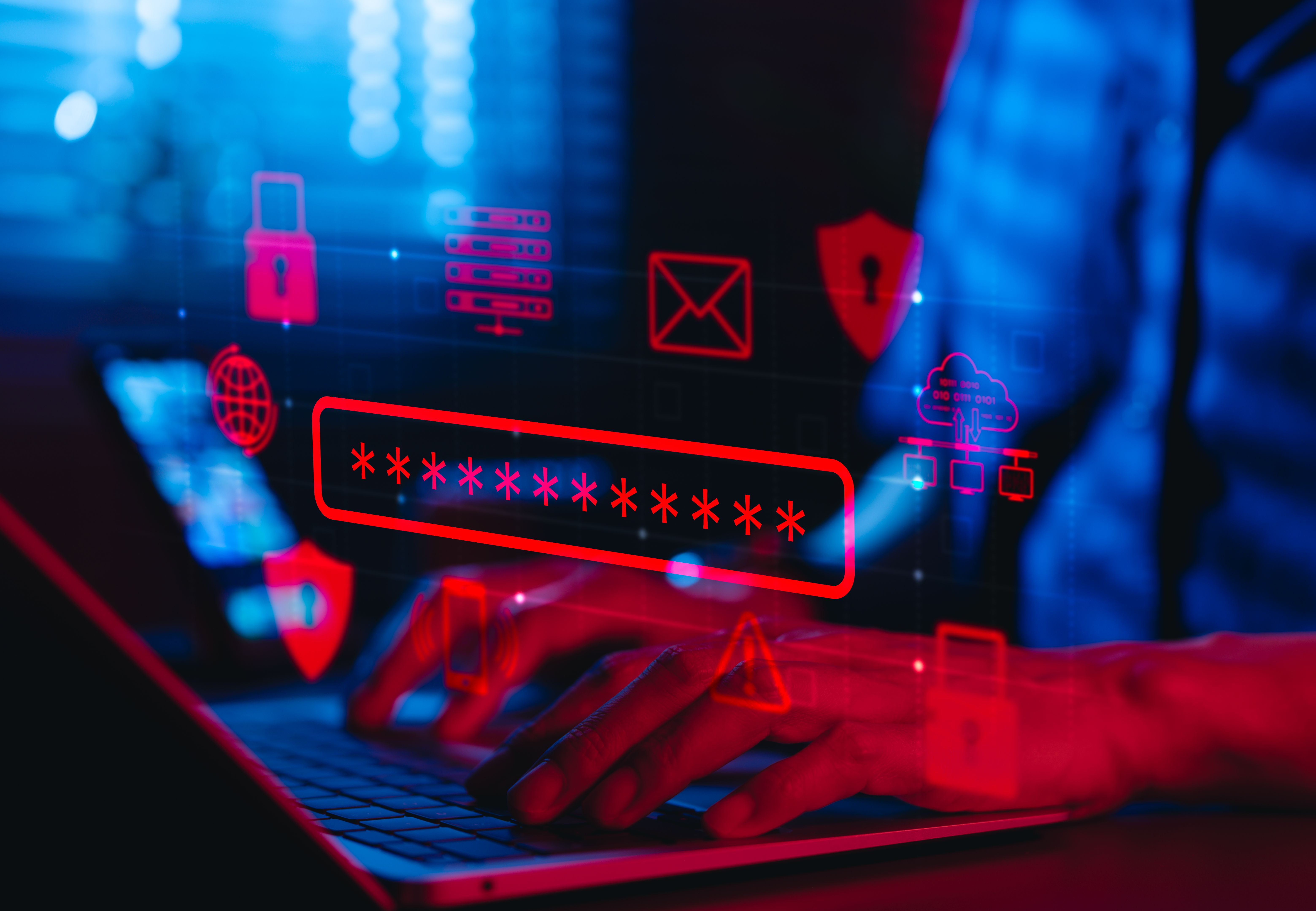
The cybersecurity landscape is constantly changing, with new threats appearing regularly. It's crucial to stay informed about the latest trends. Some of the emerging threats include sophisticated phishing scams, advanced ransomware, and targeted attacks on supply chains. Businesses need to be vigilant and prepared to address these challenges.
Phishing Scams
Phishing scams have become more advanced, tricking even the most cautious individuals. These attacks often involve fraudulent emails that appear legitimate, aiming to steal sensitive information such as passwords and credit card details. Educating employees about recognizing phishing attempts is essential.

Ransomware Attacks
Ransomware attacks involve malicious software that encrypts a company's data, demanding payment for its release. These attacks can cripple operations and result in significant financial losses. Implementing regular data backups and robust security measures can mitigate the impact of such incidents.
Building a Strong Defense
To protect against these threats, businesses must build a strong cybersecurity framework. This involves using a combination of technology, policies, and employee training. A comprehensive approach ensures that all potential vulnerabilities are addressed.

Implementing Advanced Technologies
Utilizing advanced technologies such as firewalls, intrusion detection systems, and encryption can significantly enhance your cybersecurity posture. These tools help detect and prevent unauthorized access to your network and data.
Developing a Security Policy
A well-defined security policy outlines the procedures and protocols to follow in case of a cyber incident. It should include guidelines on password management, data handling, and incident response. Regularly updating the policy ensures it remains relevant to emerging threats.
Employee Training and Awareness
Employees are often the first line of defense against cyber threats. Providing regular training sessions on cybersecurity best practices helps empower your staff to recognize and respond to potential threats effectively. An informed team can prevent many security breaches before they occur.

Conclusion
In an era where cyber threats are continually evolving, businesses must remain vigilant and proactive. By understanding emerging threats and implementing a robust cybersecurity strategy, you can protect your business from potential attacks. Investing in cybersecurity is not just a protective measure; it's essential for the longevity and reputation of your company.