
How to Prepare Your Business for Cybersecurity Threats: Expert Tips


Understanding Cybersecurity Threats
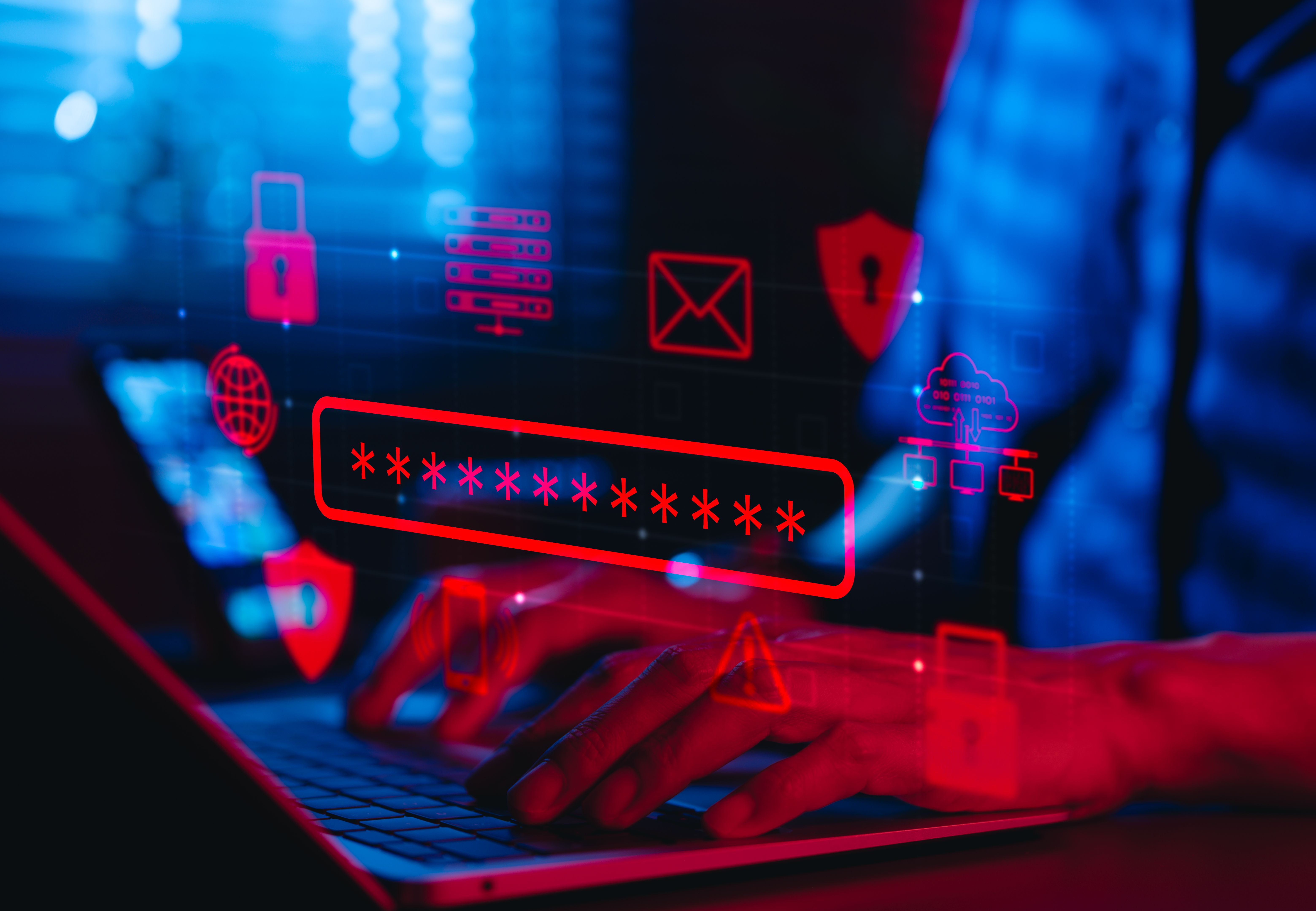
In today's digital age, cybersecurity threats are a critical concern for businesses of all sizes. With the increasing sophistication of cyberattacks, it is essential to be proactive in defending your business. Understanding these threats is the first step. From phishing scams to ransomware attacks, knowing what you're up against can help you build an effective defense strategy.
Assess Your Current Security Measures
Before implementing new security protocols, assess your current security measures. Conduct a thorough audit of your existing systems to identify vulnerabilities. This assessment will help you pinpoint areas that require immediate attention and guide you in allocating resources effectively.
Consider the following steps during your security audit:
- Review your firewall and antivirus software.
- Check for outdated software that might need patching.
- Evaluate the effectiveness of your data encryption methods.
Implement Strong Password Policies
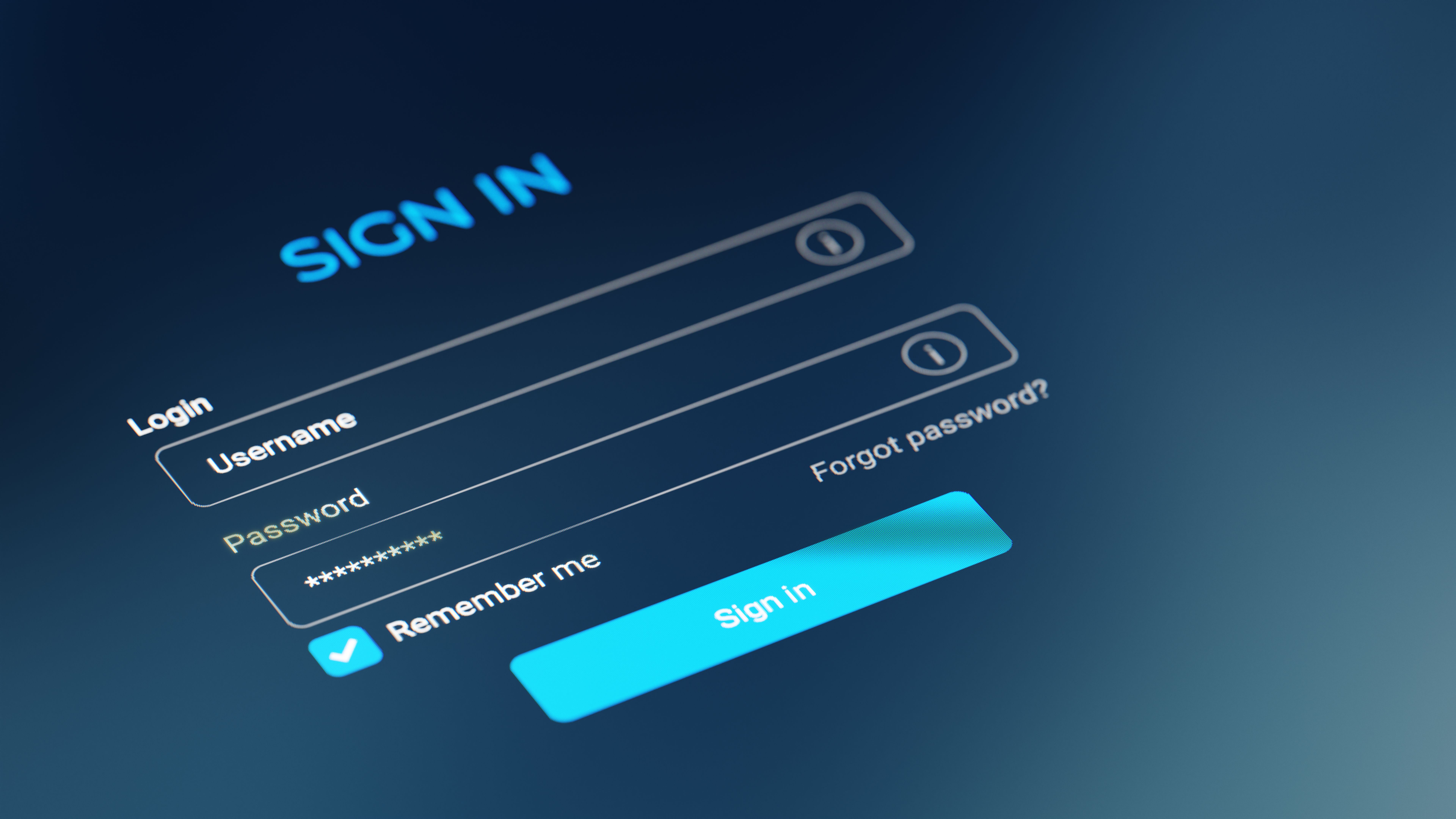
Weak passwords remain one of the most common entry points for cybercriminals. Implementing strong password policies is crucial. Encourage your employees to use complex passwords and change them regularly. Consider using password managers to ensure secure storage and retrieval.
Educate Your Employees
Your employees are often the first line of defense against cybersecurity threats. Providing regular training sessions can empower them to recognize and respond to potential threats. Topics to cover in training include:
- Identifying phishing emails.
- Safe browsing practices.
- Proper data handling procedures.
Utilize Multi-Factor Authentication
Multi-factor authentication (MFA) adds an additional layer of security by requiring users to verify their identity through multiple methods. This significantly reduces the risk of unauthorized access. Implementing MFA for all critical systems can enhance your business's security posture.

Regularly Update and Patch Systems
Keeping your software and systems up to date is vital in defending against cybersecurity threats. Regular updates and patches address known vulnerabilities, making it harder for attackers to exploit weaknesses. Establish a schedule for routine updates and ensure compliance across all departments.
Develop a Response Plan
No system is entirely immune to attacks. Therefore, having a well-defined response plan is essential. This plan should outline the steps to take in the event of a breach, including communication strategies, containment measures, and recovery procedures. Regularly review and update this plan to address new threats.
Partner with Cybersecurity Experts
Sometimes, managing cybersecurity in-house can be overwhelming, especially for small businesses. Partnering with cybersecurity experts can provide you with specialized knowledge and resources. These professionals can offer tailored solutions and continuous monitoring, giving you peace of mind.

By taking these proactive steps, you can significantly reduce the risk of cybersecurity threats and ensure the safety of your business's digital assets. Stay informed, stay prepared, and safeguard your business's future.